



Why specialist recruiters still win in a high-volume AI market
Paul Bridgewater
Page Published Date:
August 27, 2026
AI has made it easier than ever to look like a strong candidate, but it hasn’t made it easier to be one.
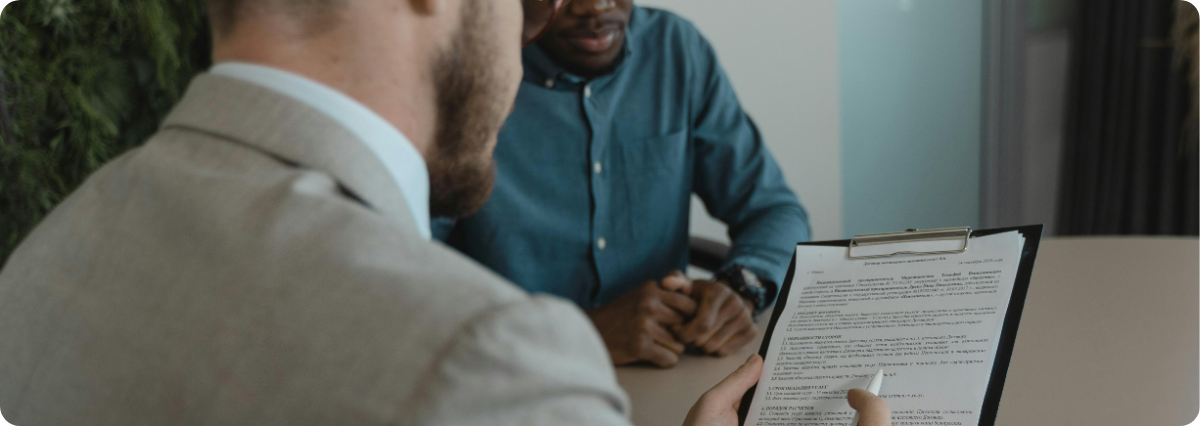
Across the market right now, internal TA teams are dealing with similar challenges - they receive 150-200 applications per role, with dozens of perfectly AI-optimised resumes. But once they reach the interview stage, what’s on paper doesn’t always match up.
Gem's 2025 Recruiting Benchmarks report, covering over 140 million applicants and 1.3 million hires, found that outbound sourced candidates are five times more likely to be hired than inbound applicants. Job boards and social sites account for nearly half of all applications but contribute less than a quarter of actual hires.
That's the gap specialist recruiters are built to close.
The passive market is where the best candidates are
The people most likely to be right for your role are probably not applying for it. They’re already employed, or are actively networking, rather than doom-jobbing at volume in the hope something sticks.
The people in a specialist recruiter's network are the ones who get a call because a consultant has worked with them before, and has a view on where they do their best work.
"Everyone on my long list for a recent senior placement - bar one - was someone I already knew. We did not need to advertise on Seek. The right people were already in our network."
-Lisa Hammond, The Next Step
Internal TA faces structural disadvantages in a specialist market
Internal TA teams, particularly in organisations where the function sits within a broader HR portfolio, are generalists. They hire across functions, industries, and seniority levels. Whereas a specialist HR recruitment consultant builds relationships with the same talent pool over years, and develops a depth of market knowledge. Something a generalist hiring for HR today and operations tomorrow doesn't get the chance to build.
"Twenty years of experience means you pick up a brief and your brain is already going: I need to call these five people. Internal recruitment does not have that - particularly when you are operating as a generalist."
- Lisa Hammond, The Next Step
AI-assisted applications are making screening harder
As AI-assisted applications become the norm, top-of-funnel screening is becoming less reliable as a quality signal. Hard skills assessments can be gamed, video interviews can be deep-faked, and even strong phone screens can be passed by candidates who have been coached or supported by an agent.
"The value of specialist recruitment agencies is now greater because of this. It is about real networks, real relationships, and real people we have worked with and can vouch for."
- Paul Bridgewater, The Next Step
Organisations typically come to us after 8-12 weeks, overwhelmed by volume and frustrated by quality. We can save that time and effort.
What to look for in a specialist recruiter
- Deep sector specialisation, not broad coverage
- A demonstrated network in your specific function
- A consultative briefing process, not a checkbox intake form
- Human-led screening and a clear view of how candidates have been assessed
- A track record of placing at the seniority level you need
- The market is moving quickly. The organisations that will hire best over the next 12 months are the ones that invest in the right relationships now.
Looking for a new role?
Search HR jobs
Need help filling a position?
Contact Us
Other articles you might be interested in

AI is boosting workplace efficiency, but at what cost? Paul Bridgewater on why cognitive load could be behind your team's exhaustion.
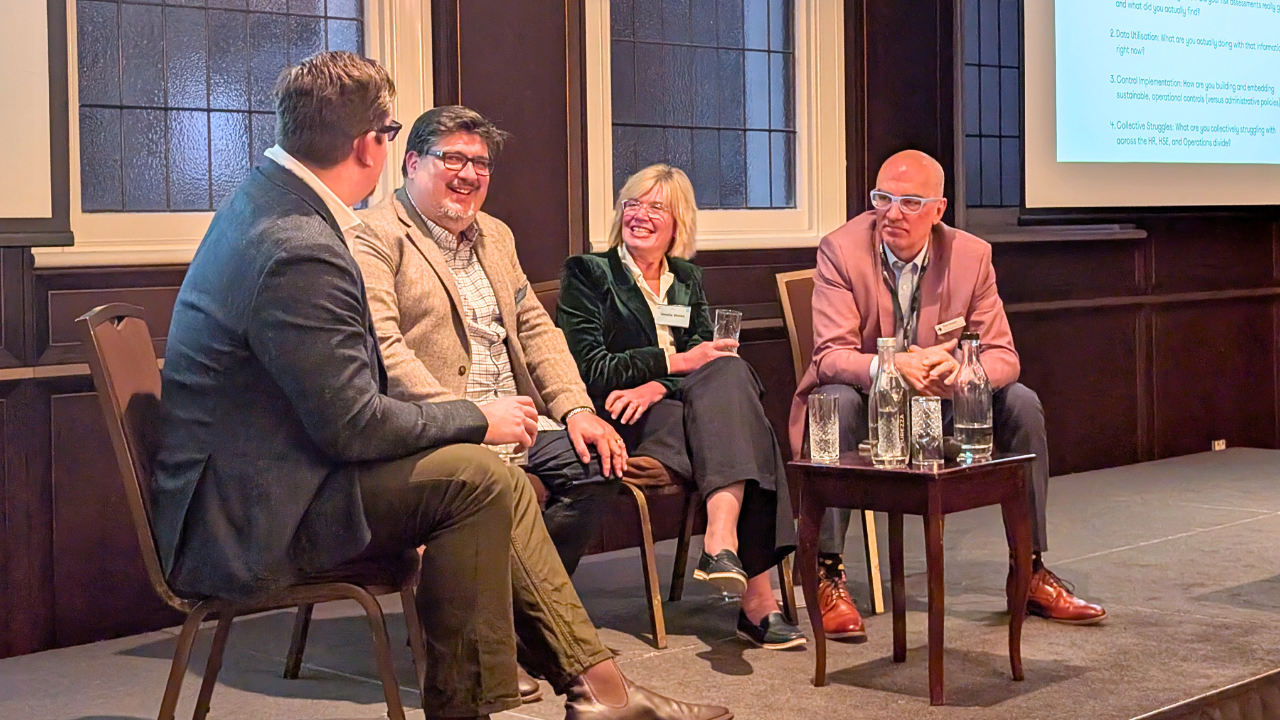
Five HR leaders share what it actually takes to manage psychosocial risk, beyond the risk assessment. Key takeaways from our Melbourne event with dss+.
Analyze HR job trends & skills demand in Australia. Get insights for job seekers & employers. Download the report today!