Ten years of data and one clear message: HR's value is no longer up for debate.
Aaron Neilson
Page Published Date:
April 24, 2026

10 years of job market data shows the strategic value or HR
By Aaron Neilson, CEO, The Next Step & The Safe Step
When The Next Step launched Australia's first HR Job Market Index in October 2015, the profession was functional, necessary, and in most organisations quietly undervalued. A decade and more than 520,000 job listings later, that's a different conversation.
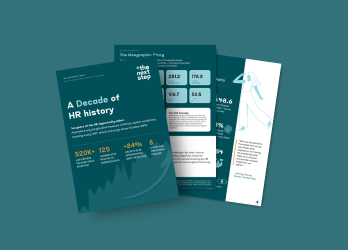
This month we released the 10th anniversary edition of our HR Job Market Report. What the data shows is a profession in genuine strategic transition that is starting to be reflected in how organisations hire, structure, and pay for HR capability.
The decade in numbers
The national HR Opportunity Index has grown 84% since October 2015. Rather than growing steadily, it contracted sharply, recovered, surged to record highs, and has since found a new level well above where it started.
COVID was the sharpest test. In 90 days the market fell 52%, from 101.9 in February 2020 to 48.6 in May. What followed was a 363% recovery from trough to peak, culminating in an all-time high of 225.3 in February 2023 and a record 78,315 job listings across that year. The profession emerged from that period with a larger mandate than it entered it with.
The current index sits at 159.1, with around 5,500 monthly listings nationally, well above the pre-COVID baseline and well above where this index started.
What the discipline data tells us
The most useful numbers in our report are the divergences between disciplines.
HR Generalist and Consultant roles are up 170% over the decade and HR Management is up 130%. These are the roles organisations reach for when they want HR embedded in the business, contributing to decisions rather than administering them.
Talent acquisition is up just 4% over ten years and currently sits near decade lows after peaking in 2021. The TA surge of 2021-2022 was largely a function of pandemic-era hiring volumes and tech sector expansion. As that unwound, TA roles contracted. The roles growing are the ones closest to strategy. The roles that have plateaued are the ones most associated with transactional volume.
The commerciality question
Globally, the conversation about HR's value has reached the boardroom. Recent research shows CHRO compensation at S&P 500 companies grew 30% in a single year, and the number of HR executives designated as named executive officers at Russell 3000 companies rose from 148 in 2021 to 230 in 2025. Boards are paying for HR leadership at executive rates because workforce and culture have become commercial priorities.
HR professionals benefiting most from this moment are the ones who have made themselves commercially relevant; those who can connect people strategy to business outcomes and be held accountable for results beyond engagement scores and headcount. The CPOs earning executive-level packages are doing so because they've demonstrated that people and culture decisions move the business.
Our data supports this direction. Permanent HR roles now represent 82% of all listings, up from roughly half at inception. The permanent index has grown 119% against just 6% for contract. Organisations are treating HR capability as a long-term investment, and that raises the bar for the people filling those roles.
Where the market is heading
Post-boom recalibration has brought the index to a sustainable level. HR generalist and management roles are at record highs. Part-time and fractional HR arrangements are growing, reflecting demand for senior HR thinking in mid-sized organisations. The geographic spread is widening: South Australia is up 258% over the decade, Western Australia up 223%, Queensland up 136%. Opportunity is no longer concentrated in Sydney and Melbourne.
The challenges ahead, like AI adoption, industrial relations complexity, workforce planning in tight labour markets, all require HR professionals who can operate at the intersection of people and commercial strategy. The data over ten years points consistently in that direction.
The full report is free to download here. If it raises questions about your hiring strategy or career positioning, our team is happy to talk it through.
Looking for a new role?
Search HR jobs
Need help filling a position?
Contact Us
Other articles you might be interested in